


Information verified and published: 19 September 2026
Knights Roofing are EPDM roofing contractors based in Battersea, serving North, Southwest and West London. EPDM (Ethylene Propylene Diene Monomer) is a synthetic rubber membrane used across the UK for over 50 years — one of the most durable, cost-effective flat roofing systems available, typically lasting 40–50 years when properly installed.
Book free survey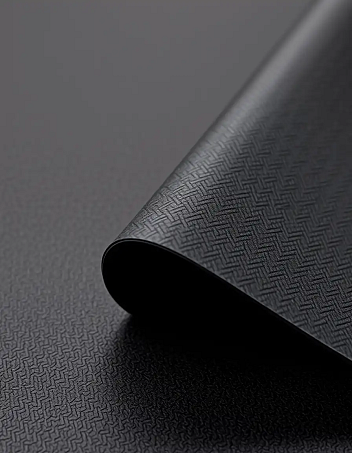
As North, Southwest and West London's EPDM roofing specialists, our team has installed hundreds of rubber membrane systems, from small domestic extensions to large commercial buildings.
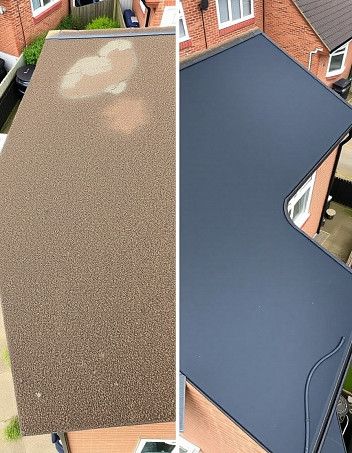
Unlike traditional felt roofing, EPDM is a continuous waterproof membrane — either fully adhered, mechanically fastened, or ballasted to the roof deck. It's remarkably flexible, expanding and contracting with temperature changes without cracking or splitting, a common failure point in older roofing materials.
Withstands UV radiation, ozone exposure and temperatures from -40°C to +120°C. The single-ply construction reduces failure points compared to multi-layer built-up systems.
Remains elastic throughout its service life, accommodating building movement without splitting. According to the National Federation of Roofing Contractors, properly installed EPDM performs excellently in UK conditions. EPDM membranes comply with BBA standards.
The smooth, non-porous surface resists algae and moss growth. Annual inspection and occasional cleaning are typically all that's needed.
Higher initial cost than felt, but the extended lifespan and reduced maintenance make EPDM better value over the life of the roof.
Recyclable at end of life, with a long lifespan meaning fewer replacements and less construction waste. Light-coloured membranes can also improve building energy efficiency.
Cost depends on roof size and complexity, access, insulation requirements, edge details (parapets, coping, upstands), and substrate condition. We provide detailed written quotations that break down all costs clearly — no hidden surprises.
Please note: prices shown are from — every project is quoted individually based on size, access and condition.
Need a repair rather than a new installation? See our flat roof repair page — EPDM patch repairs and minor fixes are covered there.
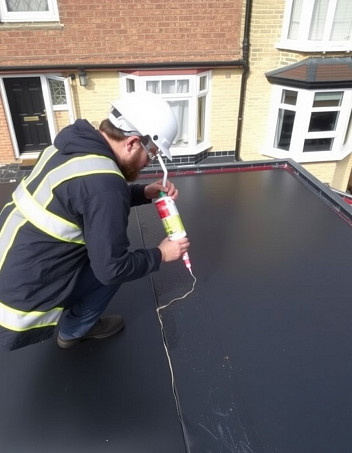
We check the roof deck's structural integrity, existing covering, drainage and falls, upstands and penetrations, and insulation requirements.
Existing covering removed if necessary, damaged boarding repaired, and insulation fitted to current Building Regulations.
The EPDM is unrolled, allowed to relax, then trimmed to fit. For most London properties we recommend a fully adhered system for optimal wind resistance.
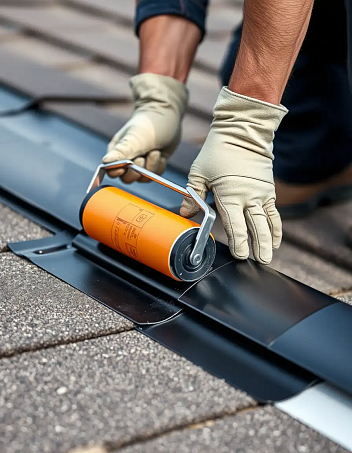
Seams are taped or liquid-bonded for a watertight finish. Edges, parapets and penetrations are properly terminated with compatible flashings.
A thorough check of all seams, edges and drainage, confirming the installation meets British Standards and manufacturer specifications.
EPDM suits most flat roofing projects, but not every roof shape:
EPDM may not suit roofs with very complex shapes and numerous penetrations, where extensive seaming is needed — GRP fibreglass can offer advantages there. Where a chimney stack passes through or sits near an EPDM roof, we also carry out chimney repointing as part of the same visit. Contact us for a free consultation if you're unsure which is right for your property.
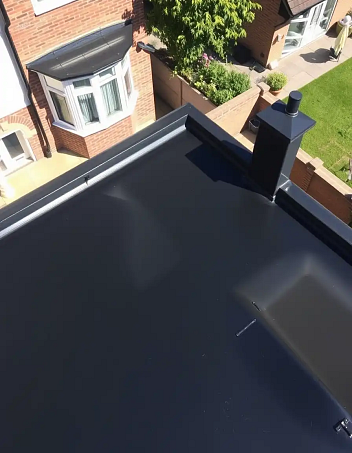
Improperly installed seams can leak over time. Addressed promptly, repairs are straightforward — we reinforce or remake seams without replacing the whole membrane.
Standing water indicates inadequate drainage and can accelerate degradation. Our surveys always assess falls and drainage before installation.
EPDM's flexibility resists impact well, but punctures can occur. Small punctures are patched with repair tape; larger areas may need a section replaced. See our flat roof repair page for EPDM repairs.
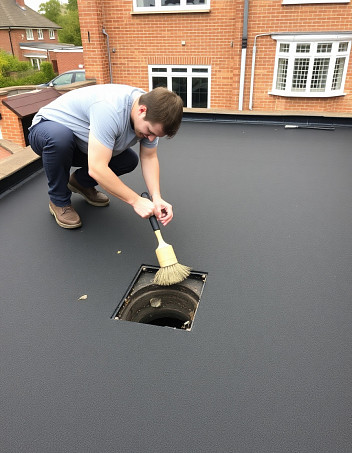
Regular maintenance extends your roof's lifespan and keeps it performing well:
According to the Flat Roofing Alliance, proper maintenance can add years to any flat roofing system's life, with EPDM requiring less intervention than alternative materials.
EPDM (Ethylene Propylene Diene Monomer) is a synthetic rubber membrane used for flat roofing, typically lasting 40–50 years when properly installed. It resists UV radiation, ozone and temperature extremes, making it well suited to UK weather.
EPDM roofing starts from £1,999. The exact price depends on roof size, access, insulation requirements and edge details — prices shown are from, as every project is quoted individually. Book a free survey for an exact figure.
Most domestic installations take 2–3 days depending on roof size and complexity. Larger commercial projects may take 3–5 days.
EPDM typically outlasts felt by 20–30 years (40–50 years vs 15–20 years), needs less maintenance, doesn't require hot works during installation, and stays flexible throughout its life. It costs more upfront but offers better long-term value.
Very little. Annual inspections to check drainage and remove debris are recommended, plus periodic cleaning with mild detergent. Unlike felt, EPDM rarely develops cracks or blisters.
Yes — EPDM doesn't need hot works, so it can be installed year-round. Temperatures above 5°C and dry conditions are ideal for adhesive curing, and we may delay installation during heavy rain or snow for quality assurance.
Honest, no-obligation advice. Written quote with a full cost breakdown.
Book free survey Call 020 7126 8439