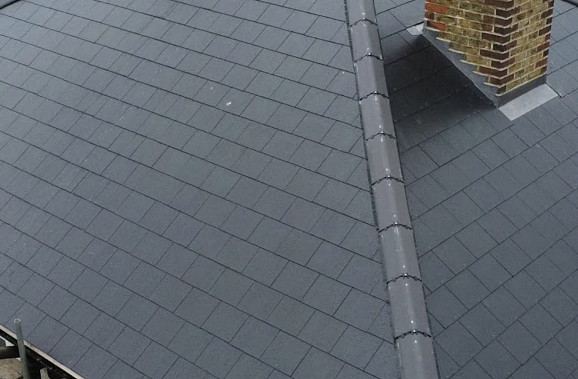


Chimney repointing in London is one of the most common chimney repairs Knights Roofing carries out across South West, West and North London. Deteriorating mortar joints — caused by decades of rain, frost and temperature cycles — allow water into the chimney stack, leading to damp, structural movement and costly secondary damage. Early repointing stops the problem before it escalates.
Every chimney is different. Stone, brick and heritage lime-mortar chimneys each require a specific approach and the right mortar mix. Our specialists assess the extent of the damage, match the mortar type to your chimney's original specification, and complete chimney pointing safely from scaffold — with no shortcuts. Repointing costs typically start from £300 for minor works and rise depending on the extent of damage, access and mortar type. We offer a free, no-obligation survey across London.
Why Choose Knights Roofing for Chimney Repointing in London
- Mortar-matched repointing — we identify your chimney's original mortar specification (cement, lime or hydraulic lime) and match it precisely to prevent future cracking.
- Scaffold-safe access — all chimney repointing is completed from proper scaffold, not ladders, ensuring safe and thorough work on every joint.
- Heritage and stone chimneys — experienced in repointing stone and Victorian brick chimneys across South West London where lime mortar is essential.
- Transparent pricing — written quote before work begins, no hidden costs. Minor repointing from £300; full stack repointing quoted individually.
- Free no-obligation survey — we inspect and advise before you commit to any work.
This article aims to provide you with general information about chimney repointing, including how to identify potential issues and the most efficient methods for rectifying them.
Signs That Your Chimney Needs Repointing
Cracks
Cracks are one of the most ominous indicators that repointing is likely required. Cracks can appear for several reasons, the number one cause being age, and weathering taking a toll. Cracks can also occur due to house movement, ground movement or structural changes to the building. Cracks require immediate repointing; if neglected, they can lead to water damage and compromise the chimney's structural integrity.
Change in mortar colour
Often, the colour of the mortar will turn darker in areas, this is usually a warning sign that the mortar has become compromised and lost its bonding strength. Colour changes are often due to general weathering and water absorption.
Flaking mortar
If parts of the mortar start to flake when you brush your fingers over it, it is a clear sign that it has reached the end of its life and requires repointing. Flakey mortar will likely let moisture through, resulting in dampness or water damage. It will also be less effective in supporting the chimney, as it has lost its integrity.
Loose bricks or stones
Loose bricks are a clear sign that your chimney requires urgent work, often this is due to mortar that has fallen off or damaged. Loose bricks will not only compromise the chimney structure but also pose a safety issue. If the bricks are not damaged, they can be reused and replaced with the new mortar to save on material costs.
Damaged crown
The crown is critical in helping to protect your chimney, a defective crown will allow water to enter your property and urgently needs repointing. Obvious signs of a damaged crown include chips, cracks or debris on the floor.
Water leaks
This is not always due to damaged mortar, however, all leaks must be checked out immediately. If the mortar is damaged or missing, water will enter through the exposed area, and this needs to be rectified.
How Often Should You Repoint Your Chimney?
There is no exact answer to the above question, this is due to so many different variables. The frequency will depend on the quality of materials used during the chimney construction, the quality of the installation, local weather conditions and the materials that have been used. On the whole, a chimney should be repointed every 20-30 years. However, if there are any worrying signs such as cracks, then this could be a lot sooner.
Materials and Tools for Chimney Repointing
Chimney repointing is a highly specialised job, that needs to be carried out effectively by a professional roofer. The equipment is not necessarily highly specialised, but the labour part is.
For heritage and listed properties, mortar specification should comply with guidance from Historic England and UK building regulations. Using the wrong mortar mix on period chimneys can cause irreversible damage to the brickwork or stone.
Materials
- Mortar, sand, water, and a cover (to protect the surrounding area)
Tools
- Ladder or scaffolding, trowel, jointer, pointing tools, brush, mason's hammer, caulking gun, trusty bucket, safety harness and equipment
Cost Considerations for Chimney Repointing
Some of the cost-related scenarios you need to consider before embarking on chimney repointing include:
Extent of damage
Minor repair costs to a chimney can be fairly small, requiring minimal repointing that only takes a few hours. Structural issues and crumbling mortar throughout the structure will require significant work and time. The seriousness of the damage will dictate the materials required, labour and the possibility of additional work to other areas of the building. If the damage is severe, then it is prudent to get expert advice from a reputable local London chimney repair expert such as Knights Roofing.
Accessibility
Accessibility will dictate how easy it is for the roofer to complete the necessary repairs. Factors that can increase costs include the height of the chimney, scaffolding, or cranes, which might be required to enable successful repointing. Other issues include dangers nearby, such as electricity lines or buildings blocking access, which can add to costs.
The type of roof can also increase the expenses. A steep-pitched roof will make repairs more difficult and increase labour costs. Repointing work must be completed professionally and properly. Skipping work that does not allow for effective repairs will cost you more in the long term.
Types of mortar
There are many different types of mortar, and they differ in cost quite significantly. Some of the more popular mortar types include (listed from cheapest to expensive):
- Cement Mortar: One of the most common and widely used mortar types.
- Masonry Cement Mortar: A combination of Portland cement, hydrated lime, and masonry sand.
- Lime Mortar: Made from lime as the name suggests, costs will vary depending on the type of lime used.
- Hydraulic Lime Mortar: Contains hydraulic materials to improve the strength and durability of the mortar.
- Natural Hydraulic Lime Mortar: Again, it uses hydraulic additives that are naturally sourced.
- Polymer-modified Mortar: Polymers are added to the mortar through a manufacturing process and this tends to be the most expensive.
Maintaining Your Chimney After Repointing
After chimney repointing, it is still important to help maintain your chimney and reduce the need for further repair work. Some of the steps you can take include regular inspections of the chimney and surrounding area, this will help address issues before they become serious. If minor repair work is required, such as a repair to a small crack, deal with it promptly before it escalates and becomes even more expensive to fix. It is also important to actively monitor for water damage, including mould, as this could indicate a potential issue.
Chimney Repointing — Frequently Asked Questions
How much does chimney repointing cost in London?
Chimney repointing costs in London typically start from £300 for minor mortar repairs on an accessible chimney. Full stack repointing — where all joints require attention — can range from £600 to £1,500 or more depending on chimney height, access requirements and mortar type. Scaffolding adds to the overall cost but is essential for safe, thorough work. Knights Roofing provides a written quote following a free survey.
How often does a chimney need repointing?
Most chimneys need repointing every 20 to 30 years under normal London conditions. However, chimneys exposed to severe frost, heavy rain or on exposed rooflines may deteriorate faster. Visible signs — cracked mortar, loose bricks or colour changes in the joints — mean repointing is needed regardless of age. Annual visual inspections are recommended.
What is the difference between chimney repointing and tuckpointing?
Chimney repointing (also called chimney pointing) involves removing deteriorated mortar from the joints between bricks or stones and replacing it with fresh mortar. Tuckpointing is a finishing technique where two contrasting mortar colours are used to create the illusion of very fine joints — common on heritage and Georgian properties in London. Knights Roofing carries out both repointing and tuckpointing.
Can chimney repointing be done without scaffolding?
For chimneys that are accessible from a flat roof or conservatory, some minor pointing work may be possible from a ladder. However, for the majority of London chimneys — particularly on pitched roofs or at height — scaffold is required to carry out the work safely and thoroughly. Cutting corners on access increases the risk of incomplete work and future failures.
Does Knights Roofing repoint stone chimneys?
Yes. Chimney repointing on stone chimneys requires lime-based mortar rather than cement — using the wrong mix can cause cracking and damage to the stone. Knights Roofing matches mortar specification to the original chimney construction, including natural hydraulic lime mortar for period stone chimneys across South West and West London.
At Knights Roofing, we carry out chimney repointing and all associated chimney repairs throughout South West, West and North London. For a free, no-obligation survey or to discuss your chimney, contact us today.
All chimney repointing at height must comply with HSE working at height regulations. Knights Roofing operates from properly erected scaffold on all chimney works.