Chimney Crown Leak in South West London

Chimney Crown Leak – All Work Guaranteed. Battersea Power Station The Engine Room London

Request Booking

What is a chimney crown?

The chimney crown (sometimes called a chimney cap or wash) is the concrete, mortar, or stone slab that covers the top of your chimney stack. Its primary purpose is to prevent rainwater from entering the chimney structure while allowing smoke and gases to exit through the flue openings. A properly constructed chimney crown extends beyond the brick face with a drip edge, directing water away from the chimney walls rather than allowing it to run down the brickwork.

Victorian and Edwardian properties often have simple mortar crowns that were never designed for the lifespan we now expect from buildings. Modern crowns should be constructed from reinforced concrete with a proper slope for drainage, adequate thickness (minimum 75-100mm), and a well-formed drip edge. The crown must also properly seal around chimney pots and flue terminals while allowing for thermal expansion.

Many homeowners confuse the chimney crown with the chimney cowl or pot—these are separate components. The crown is the structural cap covering the entire chimney top, while pots and cowls sit within or above the crown to terminate individual flues.


Book an installation
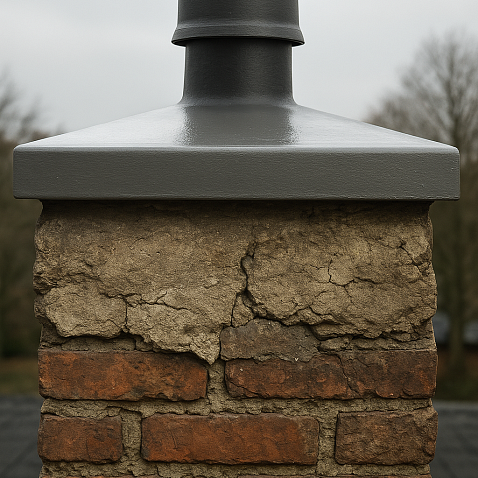
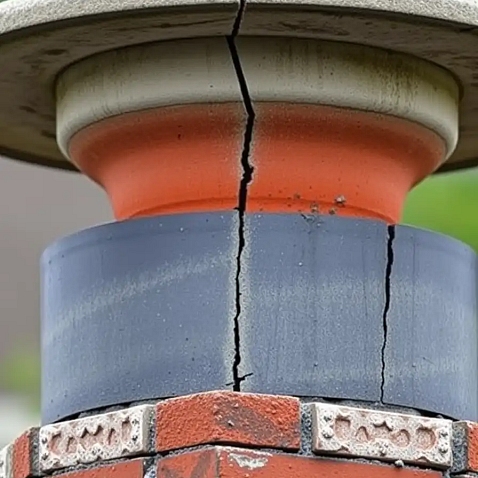
Severely cracked chimney crown with deep fissures requiring professional repair
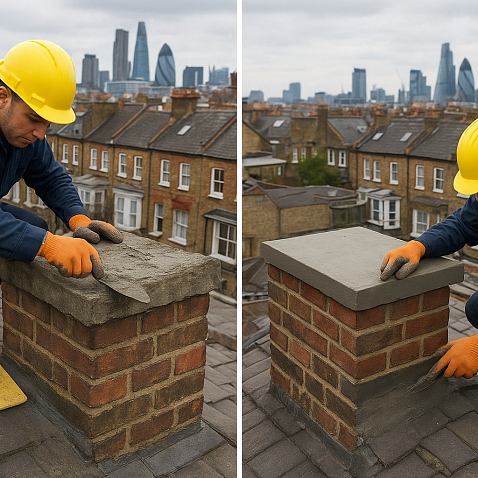
Professional chimney crown repair work in progress showing waterproofing application

Understanding Your Chimney Crown

The chimney crown (sometimes called a chimney cap or wash) is the concrete, mortar, or stone slab that covers the top of your chimney stack. Its primary purpose is to prevent rainwater from entering the chimney structure while allowing smoke and gases to exit through the flue openings. A properly constructed chimney crown extends beyond the brick face with a drip edge, directing water away from the chimney walls rather than allowing it to run down the brickwork.

Victorian and Edwardian properties often have simple mortar crowns that were never designed for the lifespan we now expect from buildings. Modern crowns should be constructed from reinforced concrete with a proper slope for drainage, adequate thickness (minimum 75-100mm), and a well-formed drip edge. The crown must also properly seal around chimney pots and flue terminals while allowing for thermal expansion.

Many homeowners confuse the chimney crown with the chimney cowl or pot—these are separate components. The crown is the structural cap covering the entire chimney top, while pots and cowls sit within or above the crown to terminate individual flues.


What Causes Chimney Crown Leaks and Cracks?

Freeze-Thaw Cycle Damage

Water penetrates small cracks or porous areas of the crown during rainfall. When temperatures drop below freezing, this water expands as it turns to ice, forcing the crack wider. Over repeated freeze-thaw cycles throughout winter months, minor surface cracks develop into significant structural failures. London's climate, with frequent temperature fluctuations around freezing point during winter, creates ideal conditions for this deterioration process.


Poor Initial Construction

Many chimney crowns, particularly on older properties, were constructed using basic mortar rather than proper concrete mix. These mortar crowns lack the structural integrity and weather resistance needed for long-term performance. Common construction defects include insufficient thickness (less than 50mm), no reinforcement, poor slope for drainage, missing drip edge, and inadequate curing time before exposure to weather.


Age and Weather Exposure

Even properly constructed crowns deteriorate over time due to constant exposure to weather extremes. UV radiation, thermal cycling, acidic rain, and physical weathering gradually break down the concrete matrix. Chimney crowns on south and west-facing aspects suffer accelerated deterioration due to increased sun exposure and prevailing weather patterns that drive rain against these surfaces.


Chimney Settlement and Movement

Building settlement or movement creates stress fractures in rigid crown structures. This particularly affects Victorian and Edwardian properties where original foundations may have settled over decades. Thermal expansion of chimney stacks during use can also stress crown structures, especially where inadequate expansion joints were provided around flue openings.


Vegetation and Biological Growth

Moss, lichen, and even small plants establish themselves in crown cracks and porous areas. Their roots expand existing cracks while retaining moisture against the crown surface. This biological growth indicates existing water penetration problems and accelerates further deterioration through both physical expansion and chemical action from organic acids.


How to Identify Chimney Crown Problems

Visible Cracks and Deterioration

The most obvious sign of crown damage is visible cracking on the crown surface. Minor surface crazing (fine hairline cracks) may not immediately threaten structural integrity, but deep cracks wider than 3-5mm indicate serious problems requiring immediate attention. Look for:

  • Linear cracks radiating from flue openings
  • Circular cracking around chimney pots
  • Large sections of crown breaking away or missing
  • Crumbling or flaking concrete
  • Exposed aggregate or reinforcement

Water Staining on Chimney Brickwork

Failed crowns allow water to pour into the chimney structure from above, creating distinctive vertical water staining down the external chimney face. Unlike flashing leaks that typically show staining where the chimney meets the roof, crown leaks cause staining on the upper chimney stack. You may notice:

  • Dark streaking on brickwork below the crown
  • Efflorescence (white salt deposits)
  • Green algae or moss growth on north-facing aspects
  • Brick discolouration indicating saturation

Internal Moisture Problems

Water entering through a damaged crown travels down inside the chimney structure, potentially appearing as:

  • Damp patches on chimney breast walls (internal walls around fireplace)
  • Water dripping into fireplace during heavy rain
  • Musty odours from unused fireplaces
  • Staining on interior chimney breast plaster
  • Deterioration of fireplace surrounds

Spalling Bricks and Structural Issues

Chronic water penetration through failed crowns causes freeze-thaw damage in the chimney brickwork itself. Signs include:

  • Brick faces flaking or breaking away (spalling)
  • Loose or crumbling mortar joints
  • Leaning chimney pots
  • Visible movement or separation in chimney stack
  • Debris accumulation on roof around chimney base
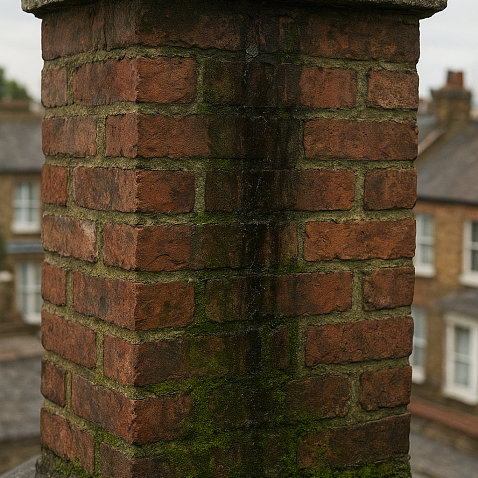
Water damage on chimney brickwork caused by failed crown leak

Professional Chimney Crown Repair Process

Initial Inspection and Assessment

Our chimney crown repair process begins with a comprehensive high-level inspection using professional access equipment. We assess the extent of damage, identify underlying causes, and determine whether repair or complete replacement is most cost-effective. Minor cracks in otherwise sound crowns may be repairable, while extensively deteriorated crowns require full replacement.

During inspection, we document crack patterns, measure crown thickness, assess drainage slope, check the condition of flue seals, examine surrounding brickwork, and photograph all damage for your records. This detailed assessment ensures we provide accurate quotations and appropriate repair specifications.

Crack Repair for Minor Damage

For crowns with minor cracking but sound underlying structure, we offer professional crack sealing and waterproofing:

  1. Thorough cleaning of crown surface and cracks
  2. Crack routing (widening) to create proper seal profile
  3. Application of flexible waterproof sealant
  4. Primer coat for entire crown surface
  5. Application of specialist crown coating system
  6. Sealing around all flue penetrations

This approach extends crown life by 10-15 years when applied to structurally sound crowns with only surface damage.

Complete Crown Replacement

Severely damaged crowns require complete removal and replacement. Our replacement process includes:

  1. Safe removal of existing failed crown
  2. Preparation of brick top surface
  3. Installation of reinforcement mesh
  4. Construction of new concrete crown with proper mix design
  5. Formation of drip edge extending 40-50mm beyond brick face
  6. Proper slope (minimum 1:12) for water drainage
  7. Careful sealing around chimney pots and flues
  8. Application of waterproof crown coating
  9. Minimum 7-day curing period before exposure

We use BS-compliant concrete mixes specifically designed for exposed external applications, ensuring your new crown withstands decades of weather exposure.

Additional Protective Measures

Following crown repair or replacement, we recommend:

  • Installation of chimney cowls to reduce direct rain entry
  • Repointing of deteriorated mortar joints on upper stack
  • Application of breathable water repellent to brickwork
  • Annual inspections to identify problems early

Knights Roofing knows the importance of maintaining your property's health and safety. That's precisely why we provide an extensive chimney repair solution aimed at ensuring your chimney remains in optimal condition. Our company also has valid certificates FSC and PEFC

Contact Us

Chimney Crown Repair Costs in London

Chimney crown repair costs vary significantly based on damage extent, access requirements, and property height. Here's what you can expect:

Minor Crack Sealing and Coating: £300-£600 for straightforward repairs where access is simple and damage is minimal. Includes cleaning, crack sealing, and professional coating system application.

Moderate Crown Repair: £600-£1,200 for more extensive crack repair, partial crown rebuilding, and waterproofing. This covers crowns with multiple cracks or small sections requiring reconstruction.

Complete Crown Replacement: £1,200-£2,500 for full crown removal and replacement, including scaffolding, materials, and labour. Properties requiring complex access or those with large chimney stacks at the higher end.

Additional Cost Factors:

  • Scaffolding hire: £400-£800 for standard two-storey properties
  • Listed building requirements: 15-25% premium for conservation-grade materials
  • Multiple chimney stacks: reduced per-stack rate for multiple repairs
  • Emergency callouts: £150-£250 premium for same-day response

Value Perspective: Crown repair costs represent excellent value when you consider that unrepaired crown damage leads to progressively more expensive problems: internal leak damage (£2,000-£5,000+), brick spalling requiring stack rebuilding (£3,000-£8,000+), and potential structural instability requiring complete chimney rebuilding (£10,000-£25,000+).

We provide detailed written quotations with no hidden costs, full insurance backing, and guarantees on all workmanship and materials.


Preventing Chimney Crown Damage

While all chimney crowns eventually require maintenance or replacement, you can significantly extend crown life through preventative measures:

Annual Inspections: Schedule professional chimney inspections every 12-18 months. Early identification of minor cracks allows inexpensive repairs before damage becomes extensive. Autumn inspections before winter weather are ideal timing.

Prompt Crack Sealing: Address minor cracks immediately when identified. Small crack repairs cost £100-£200, while delaying allows freeze-thaw damage to escalate costs to £1,200-£2,500 for complete replacement.

Waterproof Coating Application: Professional crown coatings applied every 5-7 years protect concrete from water penetration and UV damage. This £200-£400 maintenance investment substantially extends crown life.

Chimney Cowl Installation: Quality chimney cowls reduce direct rain entry to flues, decreasing moisture exposure to crown surfaces. They also prevent bird nesting and improve draft characteristics.

Keep Gutters Clear: Overflowing gutters during heavy rain can saturate chimney structures. Regular gutter cleaning ensures water flows away from chimney stacks rather than pooling around their base.

Quality Initial Construction: When building new or replacing crowns, invest in proper specification: minimum 75mm thickness, BS-compliant concrete mix, reinforcement mesh, adequate slope, proper drip edge formation, and professional installation by experienced chimney specialists.

Newly installed chimney crown with proper drip edge and professional finish

Why Choose Knights Roofing for Chimney Crown Repairs?

Knights Roofing brings over 20 years of specialist chimney repair experience to every crown restoration project. Our team holds full certification in high-level work, uses only BS-compliant materials, and provides comprehensive guarantees on all repairs and replacements.

We understand that chimney crown work requires specialist skills beyond general roofing knowledge. Our technicians receive specific training in masonry repairs, concrete crown construction, and heritage property conservation techniques. For listed buildings and conservation areas, we work within planning requirements using appropriate traditional materials and methods.

All our crown repairs include:

  • Free no-obligation inspection and quotation
  • Detailed photographic documentation of damage
  • Full insurance and liability coverage
  • Scaffolding costs included in quotations (no hidden extras)
  • Written guarantees on workmanship (minimum 10 years)
  • Material guarantees as per manufacturer specifications
  • Emergency repair service available 24/7
  • Post-repair inspection photography

We serve all London areas including Kensington, Chelsea, Richmond, Wandsworth, Clapham, Fulham, Hammersmith, and throughout South West London. Contact us today for your free chimney crown inspection.

If you're experiencing internal dampness on chimney breast walls, the water source could be either a failed crown above or compromised flashing where the chimney meets the roof. Our comprehensive chimney breast leak repair service diagnoses the true source of internal moisture and implements targeted solutions, whether that's crown repair, flashing replacement, or repointing work.

Quotation Mark

Professional service repairing our roof, good value, would recommend.

Mr Bennett, Wimbledon

Complete chimney repointing and roof repair at our property to a very high Standard.

Mr and Mrs Howe, Clapham

Repaired our lead flashing and completed maintenance work to our leaking roof, great job.

Daniel, Richmond

Frequently Asked Questions

How long does a chimney crown last?

A properly constructed concrete chimney crown typically lasts 50-75 years with appropriate maintenance. However, many older properties have mortar crowns (rather than concrete) that deteriorate within 25-40 years. Modern crowns built to current BS standards and properly maintained through periodic coating application can exceed 75 years of service life. Regular inspections every 5-10 years and prompt repair of minor cracks substantially extend crown longevity.


Can I repair chimney crown cracks myself?

While DIY crown sealing products exist, we strongly advise against DIY crown repairs for several reasons. Firstly, safe high-level access requires professional scaffolding and safety equipment. Secondly, proper diagnosis is essential—what appears as minor surface cracking may indicate deeper structural problems requiring complete replacement. Thirdly, incorrect repair materials or techniques often worsen problems by trapping moisture within the crown structure. Professional repairs cost £300-£600 for minor work, making the safety risks and potential for costly mistakes unreasonable for most homeowners.


What's the difference between chimney crown and chimney cap?

The chimney crown is the concrete or mortar slab covering the top of the entire chimney stack structure. The chimney cap (or cowl) is a metal or clay cover that sits above the flue opening to prevent rain entry while allowing smoke to escape. Crowns are structural elements integral to chimney construction, while caps are add-on protective accessories. Both serve important waterproofing functions but operate at different levels and protect different aspects of chimney structure.


Will a cracked crown cause internal leaks?

Yes, cracked chimney crowns frequently cause internal leaks, though the water path may not be immediately obvious. Water enters through crown cracks, travels down inside the chimney cavity, and eventually penetrates internal walls—often appearing as damp patches on chimney breast walls several feet below the actual crown damage. Internal leaks from crown damage typically worsen during heavy rain and may be accompanied by water dripping into unused fireplaces. Any internal dampness around chimney structures should prompt immediate crown inspection.


How urgent is chimney crown repair?

Chimney crown repair urgency depends on damage extent. Minor hairline cracks can be monitored and scheduled for repair within 2-3 months. Cracks wider than 5mm require repair within 4-6 weeks to prevent rapid deterioration. Large cracks or missing crown sections demand immediate attention—preferably within 1-2 weeks—because structural damage accelerates rapidly once water penetration begins. Emergency temporary waterproofing can be applied if weather prevents permanent repairs, but this should only be considered a short-term solution.


Do you offer guarantees on crown repairs?

Yes, all Knights Roofing chimney crown repairs include comprehensive guarantees. Complete crown replacements carry a 10-year workmanship guarantee and 15-25 year material guarantees (depending on products used). Crown crack repairs and coating applications include 5-year workmanship guarantees. Our guarantees are insurance-backed and transferrable to new property owners if you sell. We provide written guarantee certificates detailing coverage terms and any maintenance requirements necessary to maintain guarantee validity.